

What to Expect During Routine Residential Plumbing Services
Maintaining a comfortable and functional home requires consistent attention to underlying infrastructure that often stays hidden behind walls and beneath floors. Homeowners frequently take flowing water and clear drains for granted until an unexpected breakdown disrupts their daily routines and leads to costly emergency repairs. Routine plumbing services offer a proactive approach to household care, allowing property owners to address minor issues before they escalate into major plumbing disasters. According to IBISWorld, the market size of the plumbing industry in the U.S. is $208.1bn in 2026. This massive economic footprint highlights how essential professional maintenance is for preserving modern residential property standards across the country. Understanding what happens during a standard appointment helps eliminate uncertainty and empowers homeowners to make informed decisions about their living spaces. A typical appointment involves several clear steps designed to evaluate overall system health, restore optimal efficiency, and extend the functional lifespan of crucial household fixtures.
Scheduling Your Appointment
The process begins long before a technician arrives at your front door, starting with the initial communication between the homeowner and the professional team. When booking plumbing services, customer service representatives typically gather essential details about your property, including the approximate age of your building, recent performance observations, and any specific concerns you want addressed during the visit. Providing clear information upfront allows the scheduling team to allocate adequate time for a thorough evaluation and ensures the visiting technician brings appropriate specialized tools for your specific household setup. Most scheduling protocols offer flexible arrival windows to accommodate busy daily routines while ensuring technicians can complete comprehensive evaluations without rushing.
On the day of the scheduled visit, professional technicians generally send an arrival notification to keep homeowners informed of their timeline. This proactive communication minimizes waiting time and allows residents to prepare their living areas for the upcoming assessment. Professional teams understand that opening your home to service providers requires trust, which is why establishing clear communication from the start sets a positive tone for the entire appointment. Knowing when to expect your technician ensures a smooth start to the evaluation process and sets clear expectations for the remainder of the day.
Preparing Your Area
Before the technician steps inside, taking a few simple preparation steps can significantly streamline the entire maintenance visit for everyone involved. Clear access to primary fixtures, main water meters, primary shutoff valves, and baseline appliances helps the technician begin work immediately upon arrival. Removing stored personal items, cleaning supplies, or heavy boxes from beneath sinks and around water heating units prevents unnecessary delays and protects your personal belongings from potential water drips or dust during the inspection process. Ensuring that pathways throughout the home remain clear of clutter also creates a safer workspace for the technician.
Additionally, keeping pets secured in a separate room prevents unexpected distractions or safety hazards while exterior doors are opening and closing during tool transport. Taking a few moments to write down a brief list of unusual noises, slow drains, or faint odors can also help guide the technician toward specific areas of interest that might otherwise go unnoticed during a general inspection. When homeowners actively prepare their living spaces in advance, technicians can perform comprehensive plumbing services much more efficiently, maximizing the value and thoroughness of the complete evaluation.
Inspecting Your Fixtures
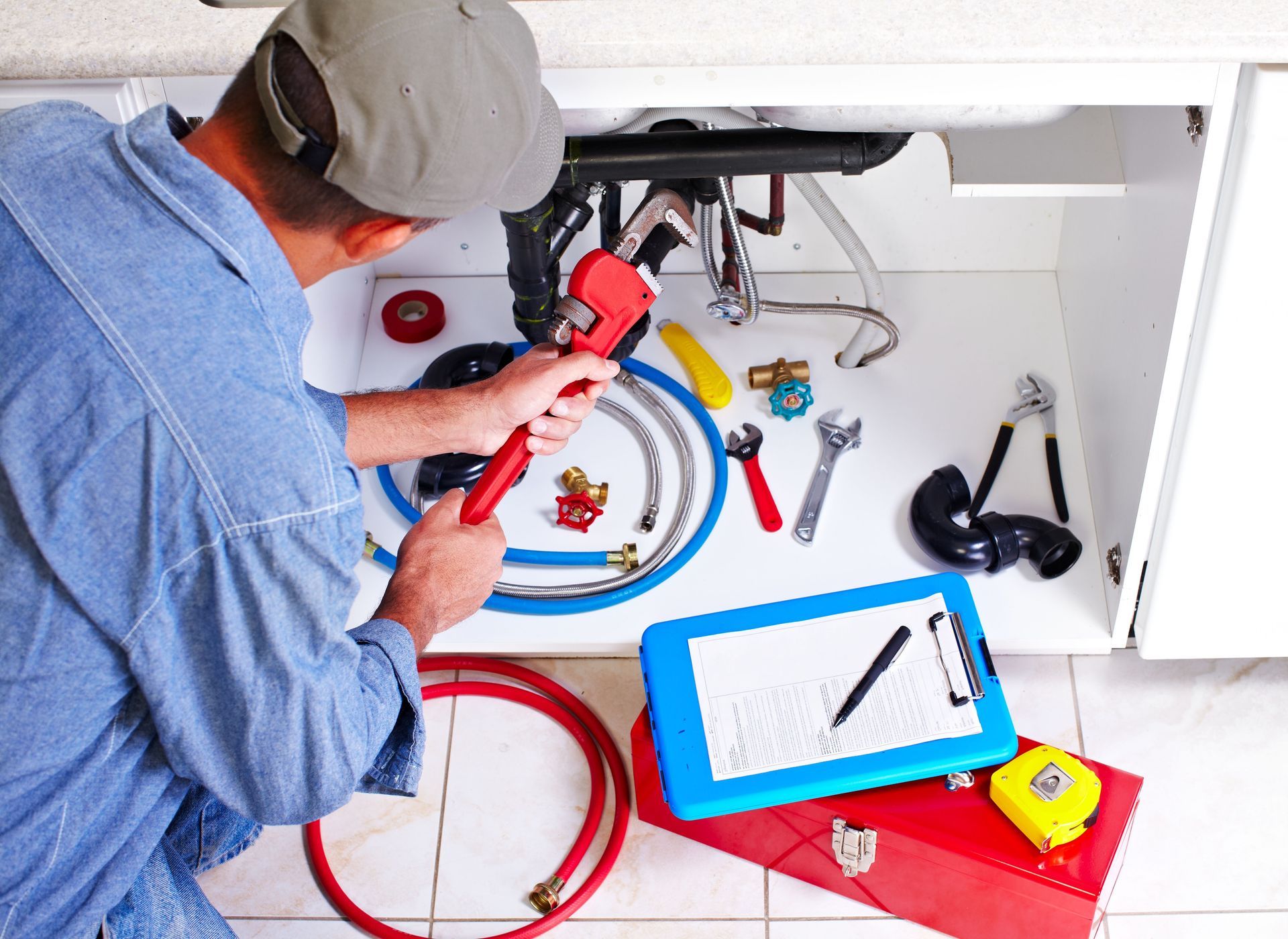
Once inside, the technician starts a methodical walkthrough to evaluate all visible water delivery mechanisms and wastewater outlets throughout the house. This comprehensive visual check includes examining faucets, toilets, sinks, bathtubs, and exposed pipe connections for subtle signs of wear, corrosion, or slow leaks. Small moisture accumulations or hairline cracks often indicate early component degradation that could lead to significant water damage if left unaddressed by a professional. Technicians pay close attention to sealing materials, rubber washers, and flexible supply lines, as these components tend to wear out faster than rigid piping materials.
During this phase, technicians also evaluate water pressure levels to verify that delivery systems operate within safe and optimal performance parameters. Excessively high pressure can stress pipe joints and accelerate appliance wear, while abnormally low pressure might indicate underlying clogs or hidden line restrictions within the walls. Checking fixture operation across kitchen, laundry, and bathroom spaces provides a clear baseline of immediate operational health. By catching minor fixture wear early through professional plumbing services, homeowners can avoid sudden component failures and unexpected household disruptions.
Testing Your Pipes
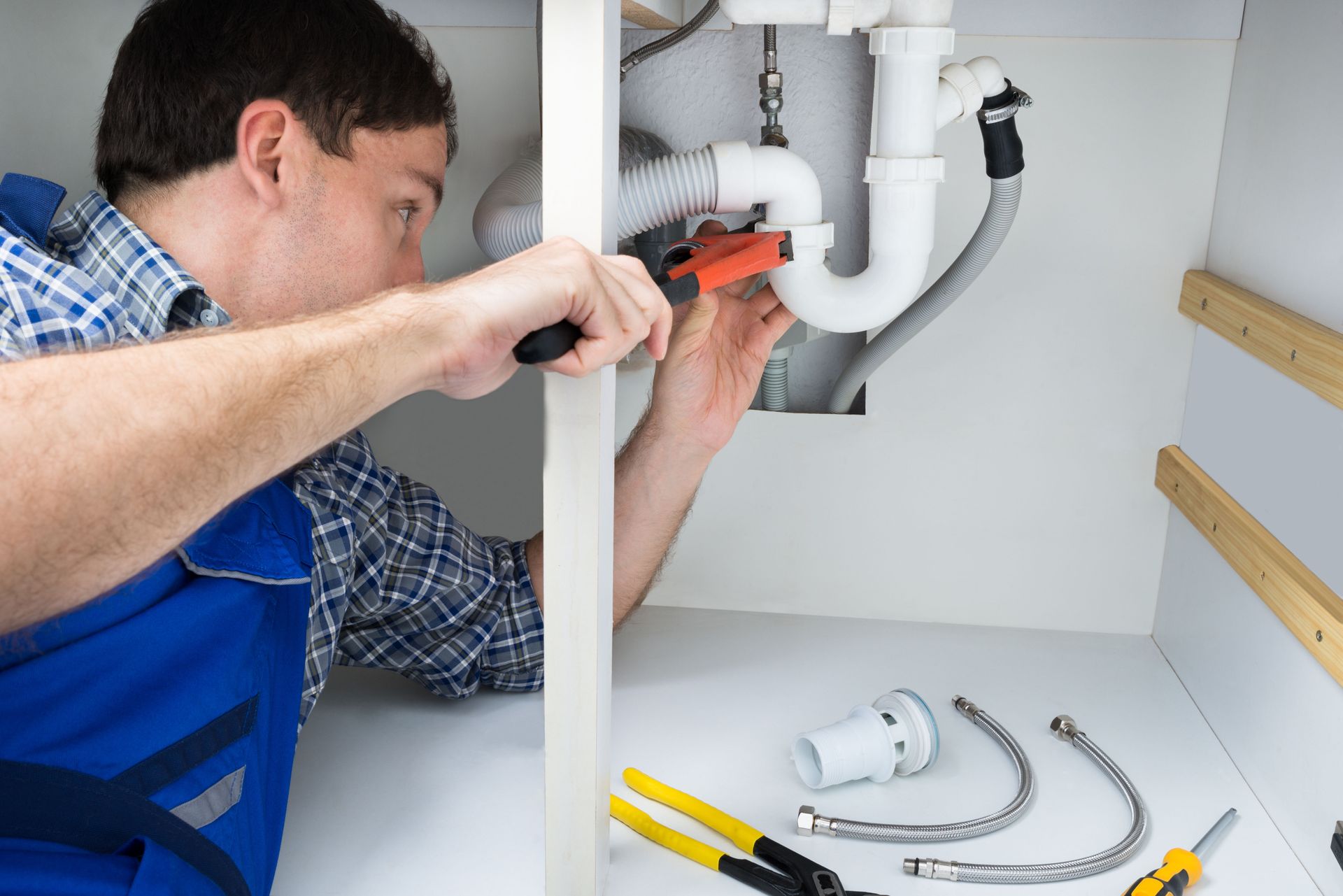
Beyond visible fixtures, assessing the overall structural integrity of hidden distribution lines and main drain channels forms a critical portion of routine maintenance. Technicians examine basement areas, crawlspaces, and utility closets where main supply runs and drainage lines remain exposed for visual inspection. They check for signs of pipe sweating, rust accumulation, mineral buildup, or structural sagging along horizontal pipe runs. Mineral buildup inside pipes can gradually restrict flow rates over time, while subtle corrosion can compromise pipe walls and lead to sudden structural breaches.
Technicians also run water through multiple channels simultaneously to test overall drainage capacity and identify potential mainline blockages in the system. Observing how quickly wastewater exits sinks and tubs helps pinpoint slow-draining sections that might require specialized cleaning techniques or clearing methods. Detecting small structural flaws or line blockages in drainage systems early prevents sanitary backups, environmental contamination, and severe structural damage within foundation walls. Thorough pipe testing ensures that the entire system functions cohesively and safely under normal daily load demands.
Evaluating Your Heater
Water heating equipment demands special attention during routine maintenance visits due to its continuous operation and high energy consumption within the home. Technicians carefully inspect water heaters for signs of external corrosion, sediment buildup, temperature irregularities, and pressure relief valve performance. Sediment buildup inside storage tanks reduces overall heating efficiency and can cause premature tank failure over time, making routine evaluation essential for long-term operational reliability. Tankless models are similarly checked for scale accumulation along internal heating elements and proper intake venting functionality.
Verifying safety valves and temperature controls ensures that the heating system operates safely without risk of overheating or dangerous pressure buildup. Technicians also inspect fuel supply lines or electrical connections to verify complete system safety and strict compliance with standard operational guidelines. Proper maintenance of heating units prolongs equipment lifespan and maintains consistent hot water delivery for daily household needs. Including heating evaluations within regular plumbing services helps homeowners maintain optimum energy efficiency and lower monthly operational costs.
Reviewing Your Options
After completing all physical inspections and testing procedures, the technician compiles their observations into a detailed summary report for the homeowner. This final consultation provides a clear breakdown of current system conditions, highlighting components that are performing well alongside any areas requiring immediate repair or future attention. Technicians explain their findings in plain language, discussing potential repair strategies, material options, and estimated timelines so homeowners can make well-informed choices for their properties. Honest guidance empowers property owners to prioritize necessary repairs based on urgency and household budget.
This review period also offers an excellent opportunity for homeowners to ask specific questions about preventive care and optimal daily usage practices. Technicians can recommend customized maintenance schedules, appropriate drain cleaning methods, and simple steps to prevent future wear on vital components. Understanding the true condition of your home infrastructure allows you to plan future upgrades proactively rather than reacting to sudden system failures. Regular collaboration through quality plumbing services guarantees long-term peace of mind and dependable overall system performance.
Investing in regular system assessments is one of the most effective strategies for protecting property value and ensuring continuous daily comfort. Routine maintenance catches minor wear before it transforms into emergency damage, preserving the integrity of essential home infrastructure year after year. By staying proactive with your household care, you avoid unnecessary stress, unexpected expenses, and severe structural water damage. For reliable care, expert inspection, and comprehensive residential maintenance, contact Al's Plumbing LLC today.




Share On: