

Understanding the Importance of Proper Drainage Systems
Water is often described as the essence of life, yet for homeowners, it can also represent a silent and persistent adversary. When managed incorrectly, moisture possesses the power to compromise the integrity of foundations, erode carefully manicured landscapes, and invite unwelcome biological growth into living spaces. The silent infrastructure that prevents these catastrophes is the drainage system. While most individuals rarely contemplate the network of pipes and channels beneath their feet or behind their walls, the efficiency of these systems dictates the longevity and safety of the entire property. A failure to appreciate the nuances of fluid dynamics within a residential or commercial setting often leads to compounding expenses and structural instability. Understanding the mechanics of how water enters and exits a property is the first step toward securing a sound investment.
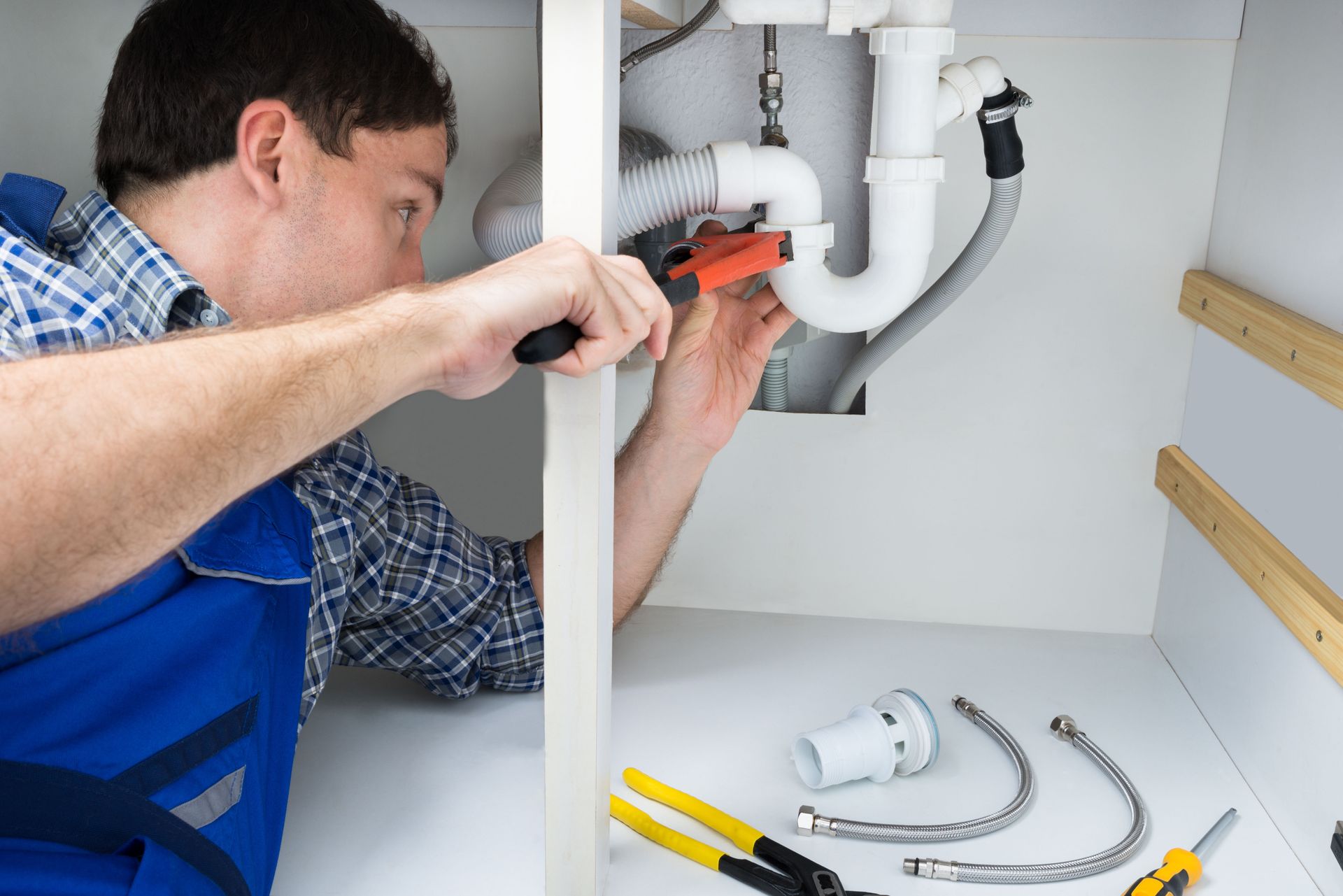
The complexity of modern plumbing means that minor issues can quickly escalate into systemic failures. Without professional oversight, small obstructions or misalignments in the piping can lead to significant disruptions. This is where specialized drain services become essential, ensuring that the invisible highways of waste and rainwater remain clear and functional. Proper management is not merely about convenience; it is about the preservation of the built environment against the relentless forces of nature. As we delve into the specific components of these systems, it becomes clear that every junction and gradient serves a vital purpose in maintaining the delicate balance between a dry, healthy home and a damp, deteriorating structure.
Protecting Foundations Against Hydrostatic Pressure
The primary concern for any property owner should be the stability of the base upon which their building rests. When soil becomes saturated due to poor runoff management, it exerts immense pressure against basement walls and concrete slabs. This phenomenon, known as hydrostatic pressure, can cause masonry to crack or shift over time. A robust drainage strategy directs water away from these critical zones, preventing the earth from becoming a heavy, pressing weight that threatens the skeleton of the house. By maintaining a dry perimeter, homeowners ensure that the ground remains stable and the foundation remains unyielding against the seasons.
Preventing Soil Erosion Around Property Perimeters
Uncontrolled water flow acts as a sculptor, slowly carving away the very land a home occupies. Without designated paths for rain to follow, heavy storms create miniature rivers that strip away topsoil and ruin expensive landscaping. This erosion does more than just damage the aesthetic appeal of a yard; it can expose utility lines and create dangerous sinkholes or uneven patches of ground. Implementing strategic grading and trenching ensures that water moves with purpose rather than chaos, preserving the contours of the land and the health of the surrounding vegetation.
Eliminating Breeding Grounds For Mold And Mildew
Excessive moisture within the confines of a home is a precursor to biological contamination. When drainage fails, humidity levels rise, creating a perfect environment for fungal spores to thrive. These organisms do not just damage drywall and wood; they release particles into the air that can impact the respiratory health of every inhabitant. Effective moisture control through high-quality drain services keeps crawlspaces and basements dry, effectively starving these organisms of the water they need to colonize the interior. A dry home is a healthy home, free from the musty odors and health risks associated with dampness.
Reducing Risks Of Pest And Rodent Infestations
Standing water is a beacon for a variety of unwanted guests, ranging from mosquitoes to larger vermin. Pests are naturally drawn to damp environments for hydration and breeding. When gutters are clogged or yard drains are blocked, the resulting stagnant pools become an ecosystem for insects that can carry diseases. Furthermore, softened wood and damp insulation caused by leaks make it easier for rodents to gnaw their way into the structure. By ensuring that all water is swiftly moved off the property and into the municipal system, owners remove the primary attractants that bring wildlife too close for comfort.
Minimizing Stress On Secondary Pumping Systems
Many homes rely on sump pumps or lift stations to manage water in low-lying areas. When the primary gravitational drainage is insufficient, these mechanical pumps must work twice as hard to keep the property dry. Overworking these machines leads to premature motor failure and increased electrical consumption. By optimizing the natural flow of water through better design and clear pathways, the mechanical load on these backups is significantly reduced. This ensures that when a major storm does arrive, the mechanical systems are not already exhausted and can perform their duties without interruption.
Monitoring Unexpected Increases In Utility Expenses
Often, the first sign of a drainage or supply problem is not a visible puddle but a rising bill. Slow leaks within the drainage network or the supply lines can operate for months without being detected by the naked eye. According to the EPA, about 9% of U.S. homes have plumbing leaks large enough to waste at least 50 gallons of water per day. These losses represent a significant waste of natural resources and a drain on the household budget. Monitoring the monthly costs and investigating even slight variations can reveal issues that, if left unaddressed, could lead to catastrophic pipe bursts or structural rot deep within the walls.
Scheduling Seasonal Inspections For Optimal Flow
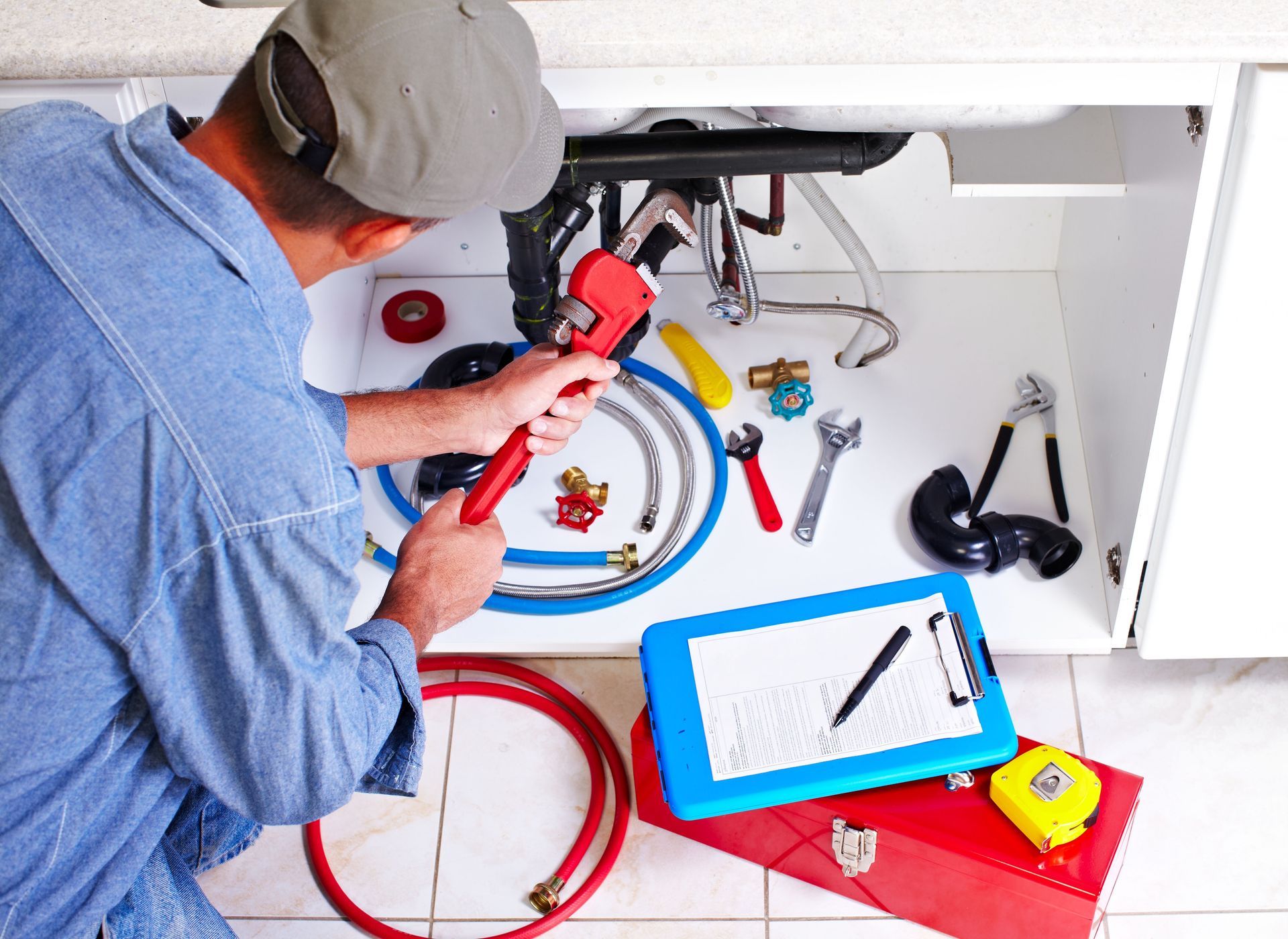
Like any other complex system, drainage requires regular "check-ups" to ensure peak performance. Changes in the seasons bring different challenges, from spring silt to autumn leaves and winter ice. A professional review of the system can identify potential bottlenecks before they cause a backup. These experts use specialized cameras to peer deep into the lines, identifying root intrusions or minor offsets that the average person would never notice. Investing in these routine drain services is a form of insurance, providing peace of mind that the infrastructure is ready for whatever weather may come.
Updating Outdated Materials With Modern Solutions
Older properties often suffer from drainage systems made of clay, cast iron, or even tar paper pipes that have reached the end of their functional life. These materials are prone to cracking, collapsing, and becoming host to invasive tree roots. Modern PVC and high-density polyethylene options offer much greater durability and smoother interior surfaces for better flow. Transitioning to these contemporary materials during a renovation or repair project significantly boosts the efficiency of the home's water management and increases the overall market value of the property.
The importance of a high-functioning drainage system cannot be overstated. It is the invisible guardian of the home, working tirelessly to whisk away waste and manage the heavy hand of nature. From protecting the very foundation of the building to ensuring the air we breathe is clean and dry, every aspect of the property relies on the successful movement of water. While it is easy to ignore these systems when they are working well, the cost of neglect is far too high for any prudent owner to ignore. By remaining vigilant and prioritizing the health of your pipes, you ensure that your home remains a safe, stable, and comfortable sanctuary for decades to come.
At Al's Plumbing LLC, we understand the critical role that a clear and efficient drainage system plays in the safety of your home. We are dedicated to providing the expert care and attention your property deserves to keep your water moving exactly where it should.




Share On: