

How to Upgrade Your Bathroom With a Premier Plumbing Contractor
Undertaking a comprehensive bathroom remodel represents an exciting opportunity to transform an ordinary utilitarian room into a serene personal retreat. From refreshing outdated tile to reimagining floor plans, updating this essential living space significantly enhances everyday comfort and overall home enjoyment. However, beneath decorative surfaces and modern finishes lies an intricate network of supply pipes, drainage lines, and ventilation stacks that dictate how well the room actually functions. Partnering with a licensed plumbing contractor ensures that every hidden pipe and visible fixture receives meticulous mechanical attention throughout the entire renovation process.
Many homeowners focus heavily on surface aesthetics such as paint colors, vanity cabinetry, and countertop materials during the initial planning phase. While visual appeal is undeniably satisfying, overlooking the underlying infrastructure can lead to persistent leaks, improper drainage, and moisture damage behind newly finished walls. Understanding how a licensed professional guides the structural and mechanical aspects of a bathroom renovation empowers homeowners to make thoughtful choices that support long-term durability and effortless daily use.
Evaluating the Existing Pipe Infrastructure and Layout
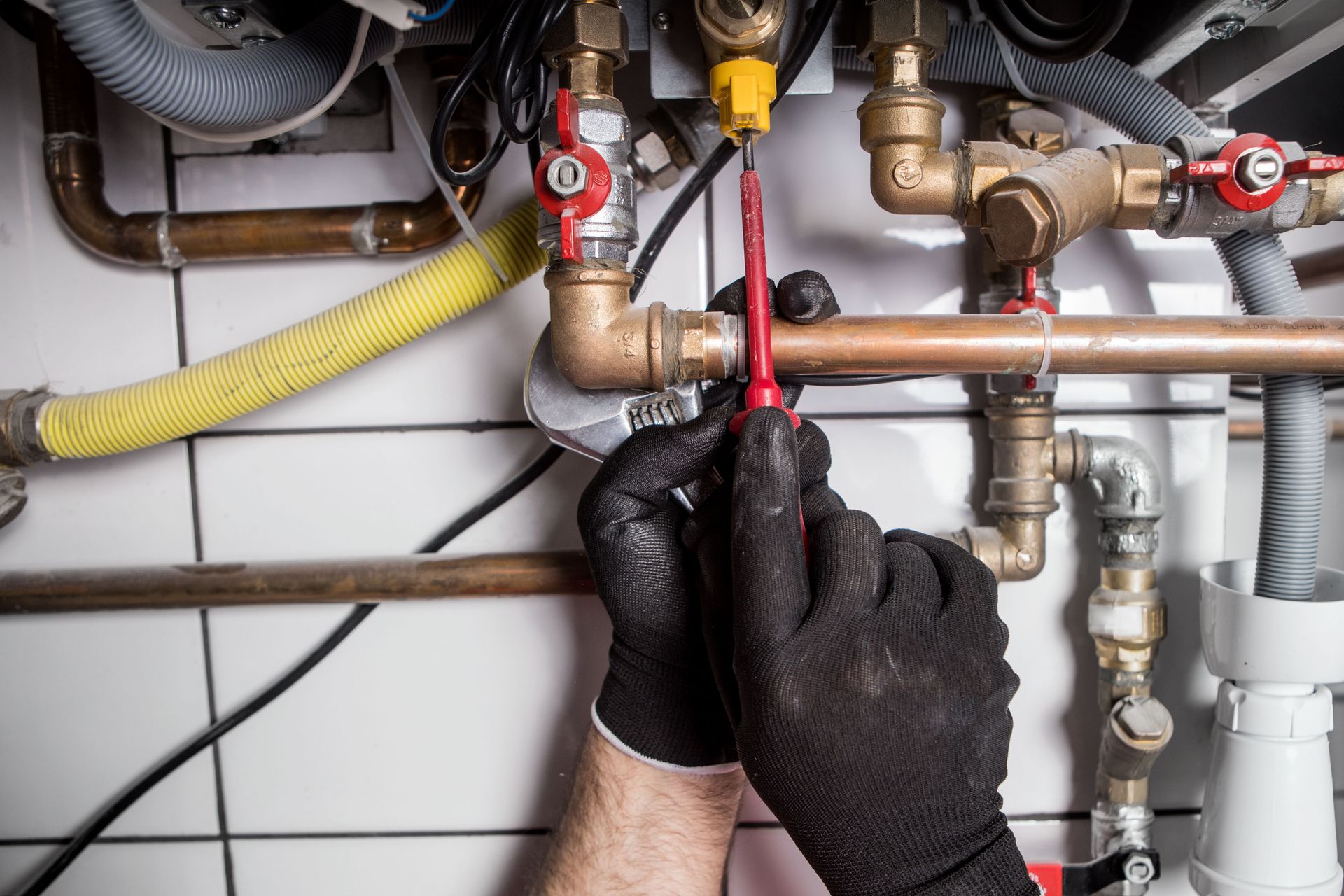
Before tearing out old wall panels or removing floorboards, a thorough evaluation of the existing water distribution and waste removal network is paramount. Older residences frequently contain aging galvanized iron or early-generation copper lines that have suffered internal corrosion, mineral buildup, or pinhole leaks over decades of continuous use. A dedicated plumbing contractor inspects these hidden conduits, identifying degraded sections and determining whether the existing layout can accommodate the water demands of modern luxury fixtures.
Reconfiguring a bathroom footprint often requires relocating toilets, sinks, or showers to create an open and functional floor plan. Shifting these fixtures involves adjusting the slope of drain pipes, tying into existing soil stacks, and rerouting hot and cold supply lines through floor joists and wall studs. Making these structural alterations demands precise calculations to prevent structural weakening and ensure proper gravitational flow. Proper planning at this early stage prevents unexpected complications once construction begins.
Additionally, understanding the common maintenance challenges that residential systems experience helps homeowners make strategic renovation choices. According to This Old House, the six most frequent plumbing issues encountered by homeowners involve dripping faucets, sluggish drains, constantly running toilets, weak water pressure, malfunctioning water heaters, and clogged garbage disposals. Addressing these vulnerabilities during an active remodel allows homeowners to replace troublesome supply valves, clear persistent pipe obstructions, and reinforce aging components before sealing everything behind fresh drywall.
Replacing Outdated Fixtures With Modern Installations
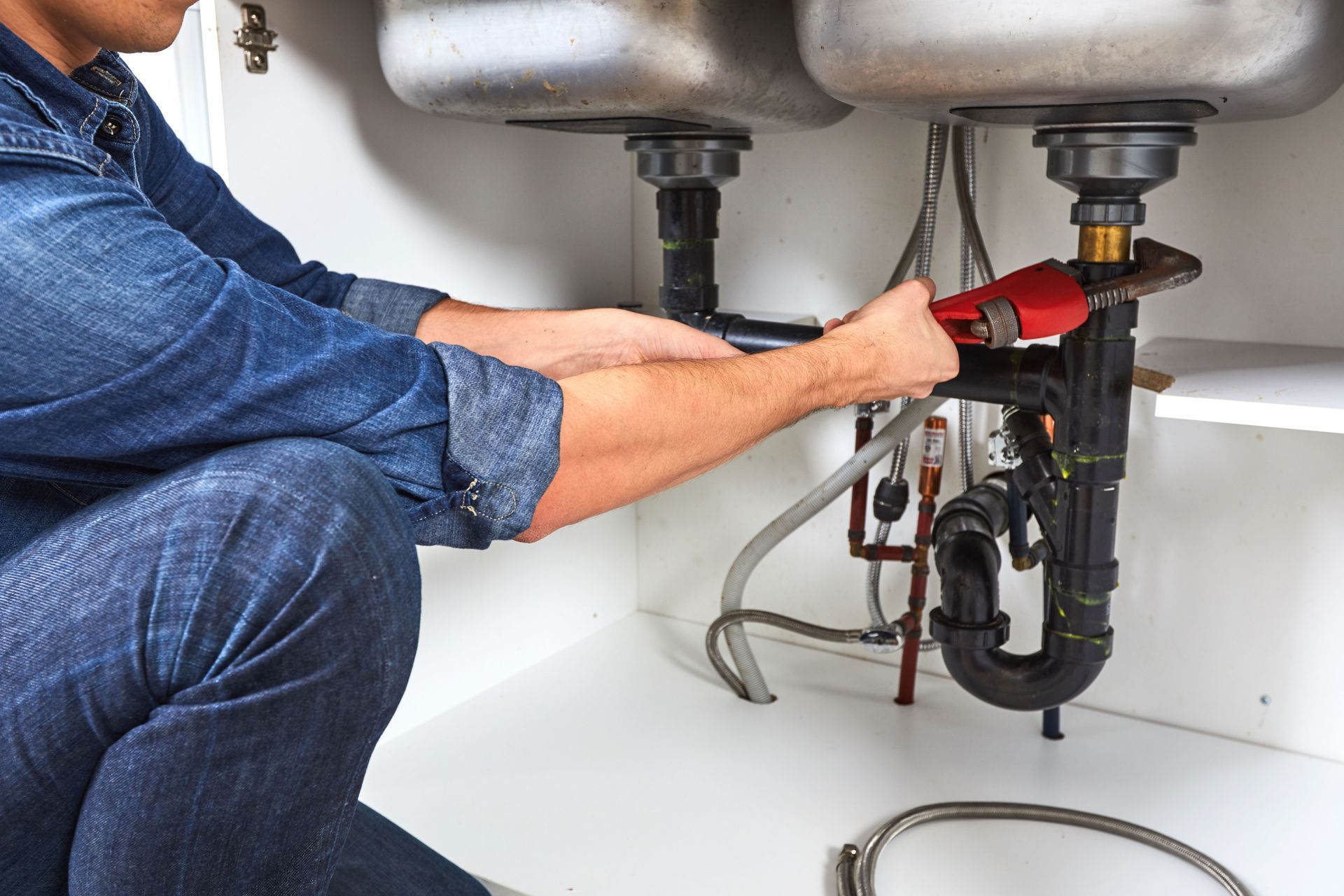
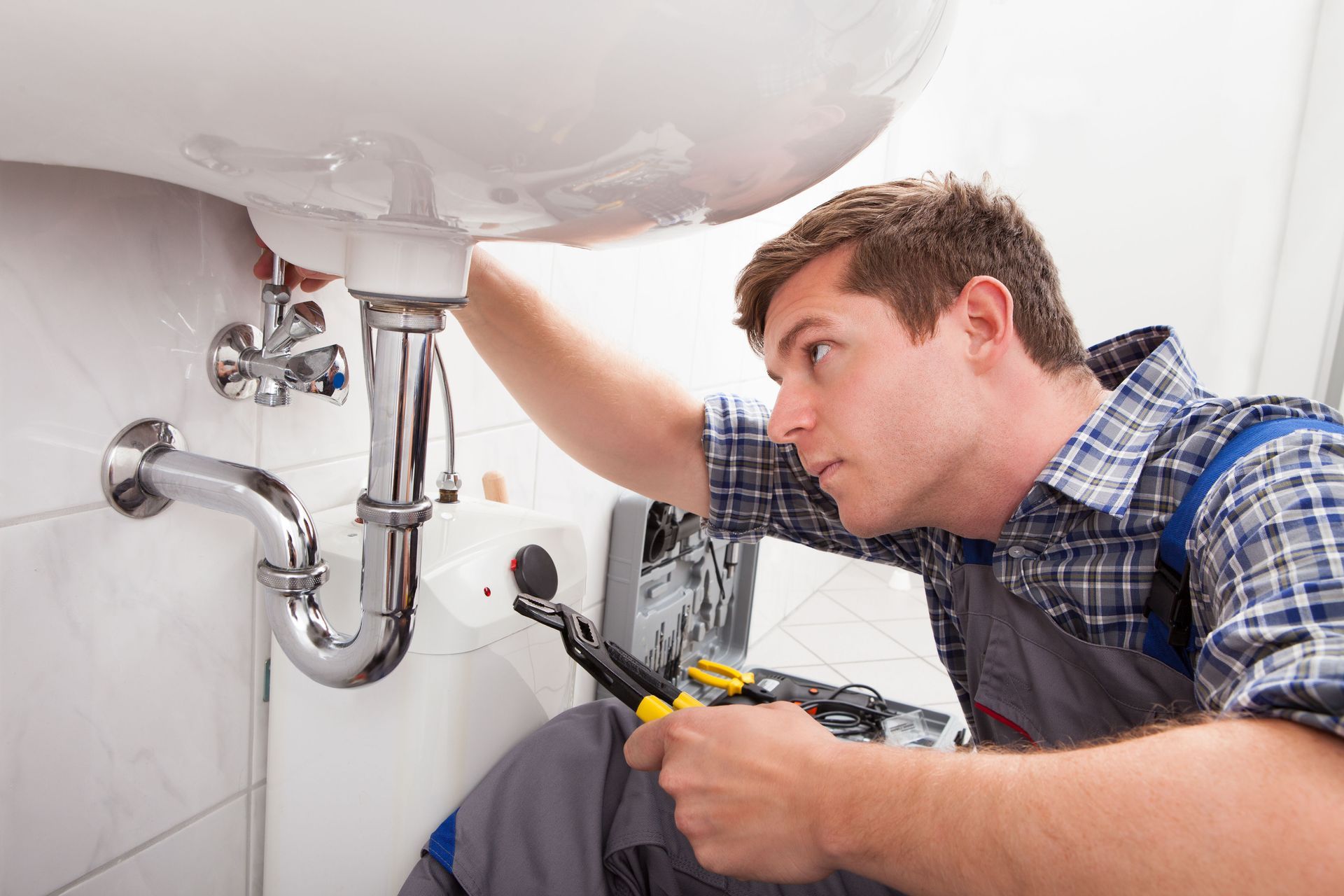
Upgrading bathroom hardware introduces contemporary style while drastically improving mechanical reliability and water conservation. Modern faucets, shower valves, and high-efficiency toilets feature advanced internal cartridges, ceramic disc seals, and precision aerators designed to minimize splashing and prevent persistent dripping. Engaging a qualified plumbing contractor ensures that new fixtures are fitted properly with appropriate shutoff valves, flexible supply tubes, and secure mounting hardware.
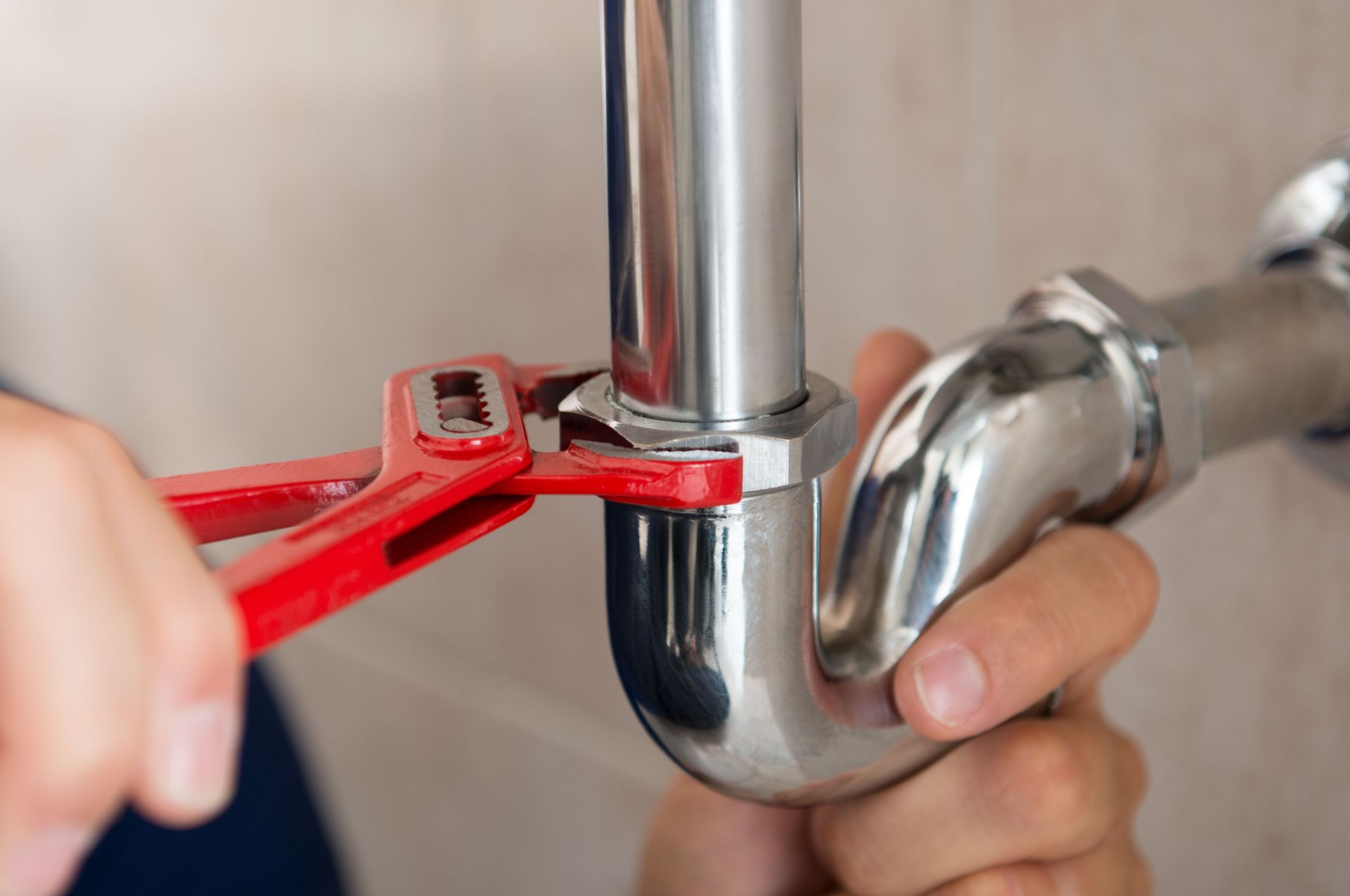
Improper fixture installation can result in slow leaks beneath vanity cabinets or behind shower surrounds where dampness accumulates unnoticed. Over time, subtle moisture leaks degrade subflooring, rot timber framing, and foster unhealthy mold growth within concealed wall cavities. Technicians verify that all threaded connections, compression fittings, and solder joints form watertight seals capable of withstanding fluctuating municipal water pressure.
Furthermore, modern low-flow toilets and conservation aerators require correct supply line pressure to operate at peak performance without compromising rinsing capability. Technicians test each connection thoroughly, ensuring smooth handle actuation, crisp valve shutoff, and steady water delivery. This careful craftsmanship ensures that every newly installed fixture operates smoothly and remains free from annoying drips for years to come.
Configuring Walk-In Showers and Freestanding Tubs
Walk-in showers and freestanding soaking tubs have become defining centerpieces of contemporary bathroom design, offering a spa-inspired atmosphere within the home. However, incorporating these luxurious features requires advanced plumbing considerations that go far beyond standard bathtub replacements. A skilled plumbing contractor calculates the necessary drainage capacity to accommodate multi-head shower systems, handheld wands, and linear floor drains without causing water backup or overflow.
Linear drains and curbless shower pans require precise subfloor sloping to ensure that water flows rapidly toward the drain assembly without pooling in corners or escaping onto bathroom floor tiles. Beneath the tile surface, waterproof barriers and clamping ring drains must be integrated seamlessly with the waste pipe to prevent moisture from penetrating the subfloor structure. Even a slight slope error can lead to stagnant water and premature grout deterioration.
Freestanding tubs present their own unique mechanical challenges, requiring floor-mounted rough-in valves and dedicated drain connections positioned accurately before tile installation. These sculptural fixtures often require supply lines to rise gracefully from the floor, demanding flawless aesthetic symmetry and durable structural bracing beneath the subfloor. Proper rough-in placement ensures that the tub rests securely and drains completely after every relaxing soak.
Enhancing Water Pressure and Supply Line Efficiency
Nothing diminishes the enjoyment of a newly renovated bathroom quite like weak water flow from a high-end showerhead. Low water volume often stems from undersized supply pipes, mineral scale accumulation, or imbalanced pressure regulation within the residential water main. Working with a reputable plumbing contractor allows homeowners to optimize supply pipe sizing and install modern pressure-balancing valves that maintain consistent water temperature and volume.
Older residences often relied on narrow main supply lines that struggle to provide adequate volume when multiple fixtures operate simultaneously. Expanding key distribution branches to wider piping delivers the necessary flow volume to power expansive rainfall showerheads, handheld body sprays, and rapid-fill soaking tubs. Additionally, installing thermostatic mixing valves protects family members from sudden temperature scalds when someone runs water elsewhere in the home.
Technicians also inspect the main pressure-reducing valve to confirm that incoming municipal water pressure remains within safe operational thresholds. Excessive pressure can stress appliance valves and cause loud water hammer noises inside walls, while inadequate pressure frustrates daily routines. Calibrating water pressure creates a pleasant shower experience while protecting delicate internal fixture components from premature wear.
Maintaining Building Standards and Moisture Protection
Plumbing systems are governed by strict municipal building codes designed to safeguard public health, ensure sanitation, and protect structural property from catastrophic water damage. From minimum pipe diameters and trap configurations to proper vent pipe clearances, each code requirement serves an important practical function. A professional plumbing contractor navigates local permitting requirements, ensures full compliance with regional codes, and coordinates necessary municipal inspections throughout each renovation milestone.
Ventilation stacks play a particularly critical role in drainage performance that many homeowners overlook. Drain pipes require continuous airflow through vent stacks extending through the roof to equalize atmospheric pressure and allow wastewater to flow freely. Without adequate venting, drainage creates a vacuum that siphons water out of fixture traps, allowing noxious sewer gases to enter living areas. Technicians verify that all newly added fixtures connect to properly sized vents.
A successful bathroom renovation requires a thoughtful balance between striking interior design and sound mechanical engineering. While luxurious tiles, elegant stone vanities, and contemporary color palettes define the visual style of the room, dependable pipe infrastructure powers daily comfort and convenience. By collaborating with a dedicated plumbing contractor, you safeguard your home against hidden leaks, optimize water pressure, and ensure that every fixture functions flawlessly for years of everyday enjoyment.
If you are ready to upgrade your bathroom with dependable plumbing solutions, contact us at Al's Plumbing LLC today. We will help you design and install a functional, durable system that brings lasting beauty and comfort to your home.




Share On: